
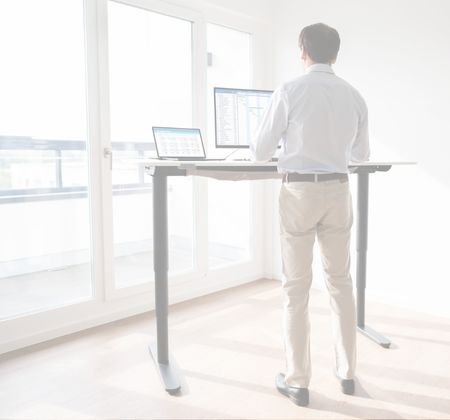
Proper Desk Adjustment

Proper Desk Adjustment
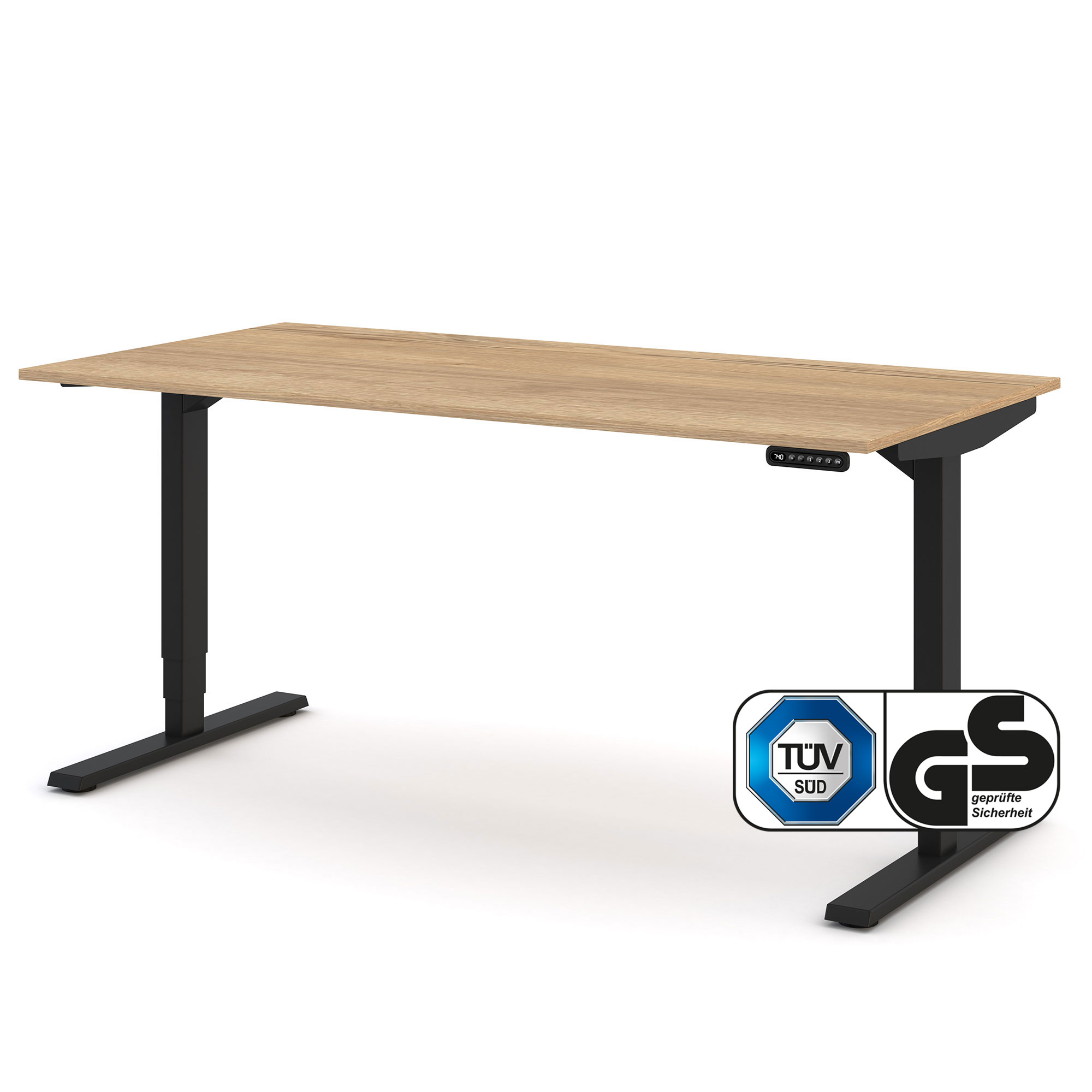
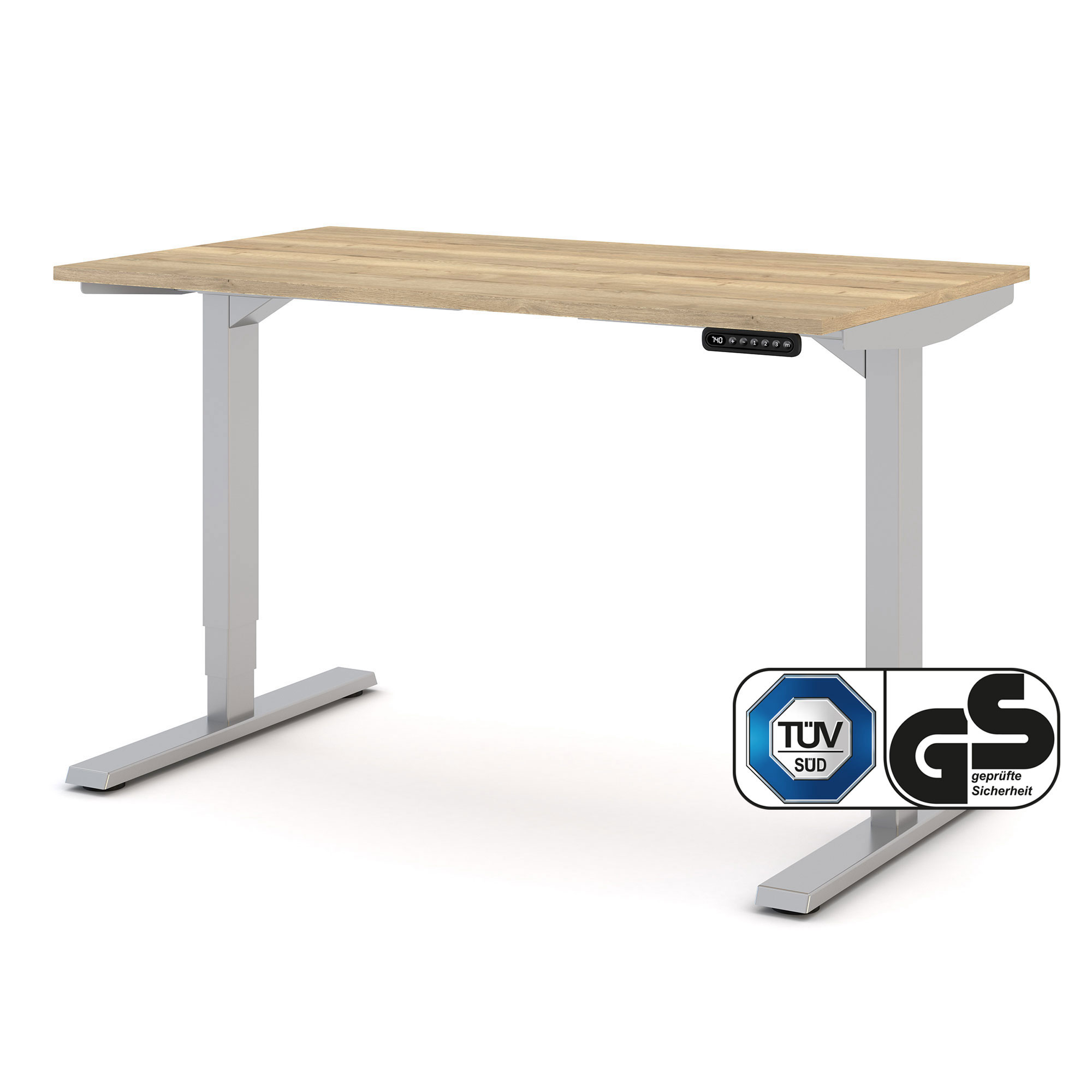
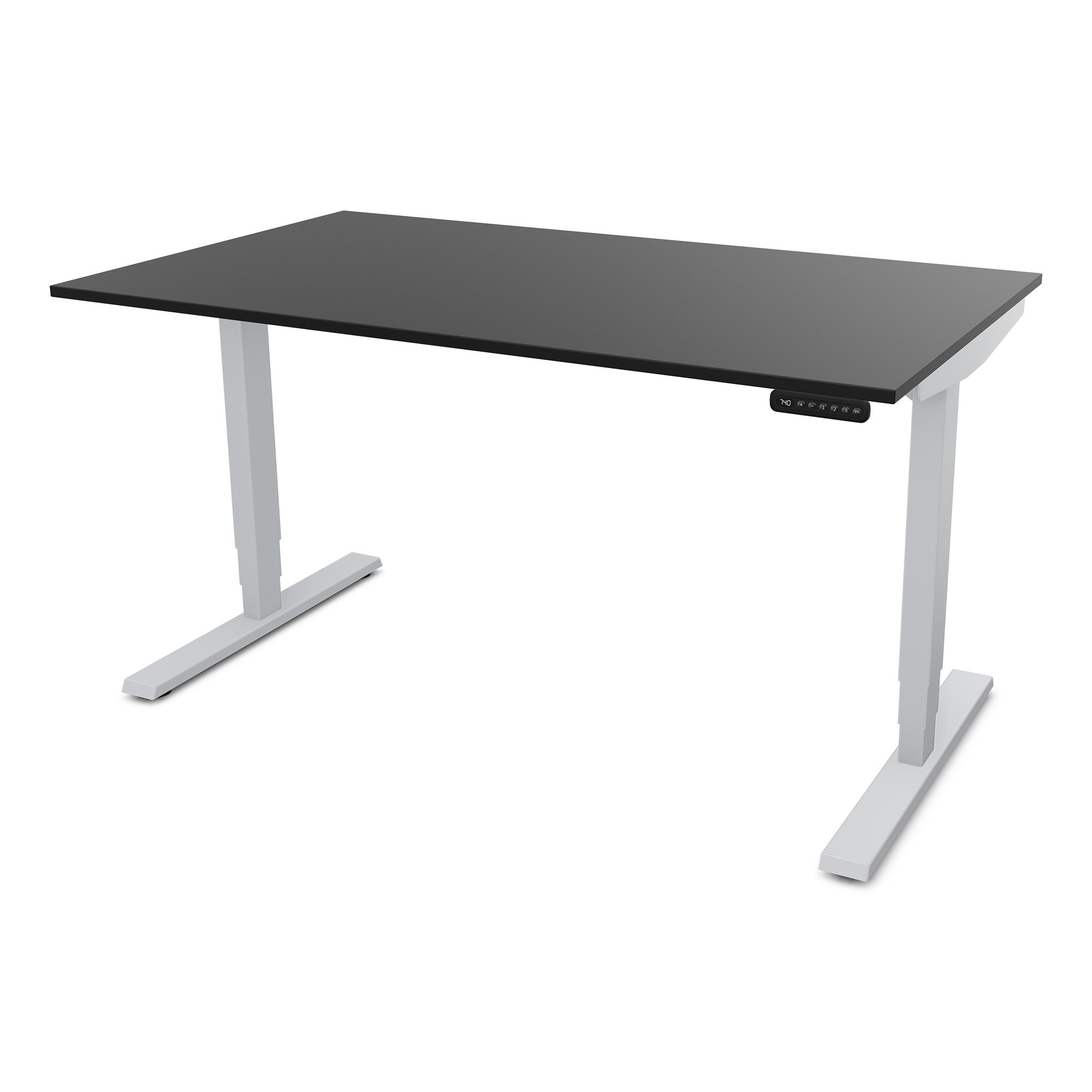
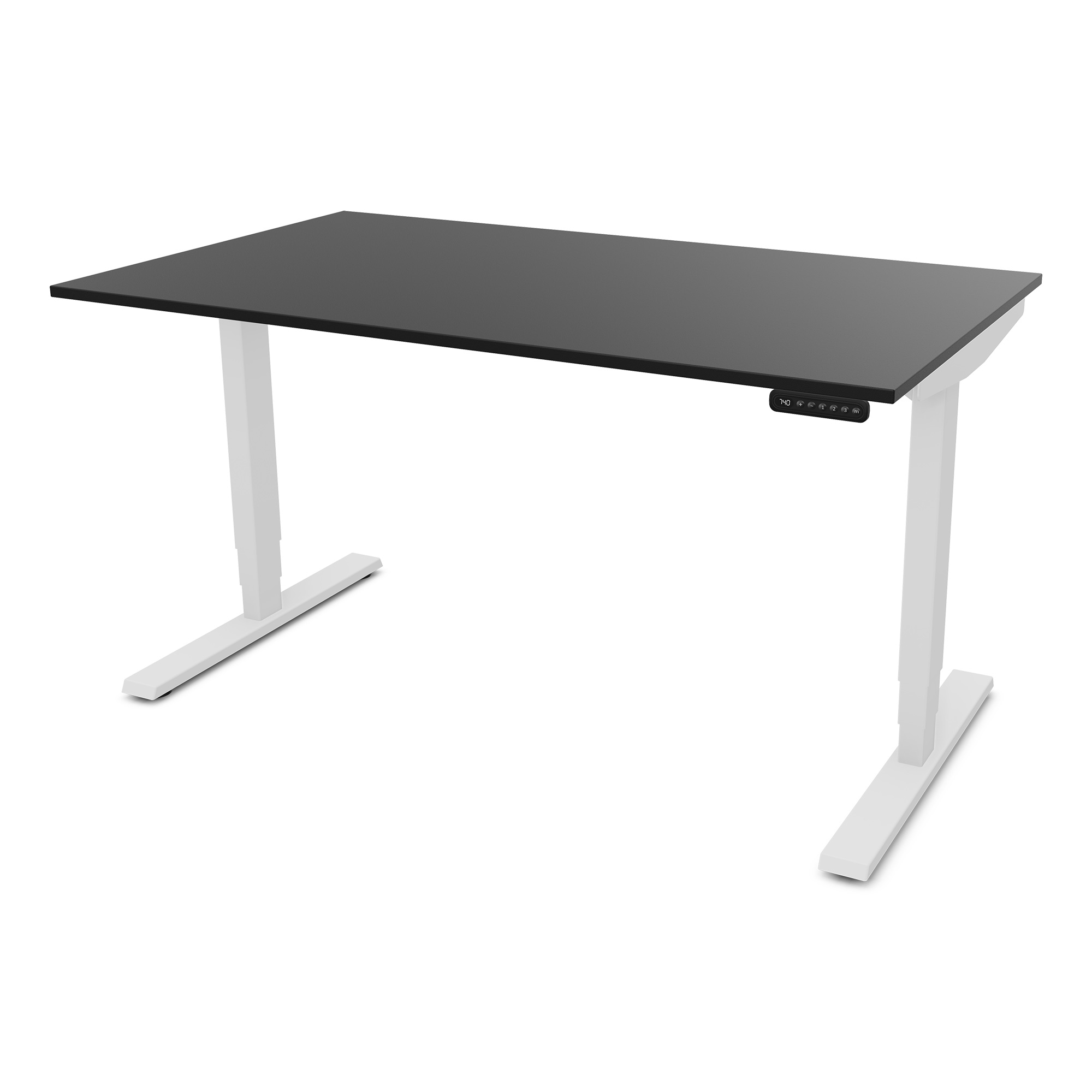
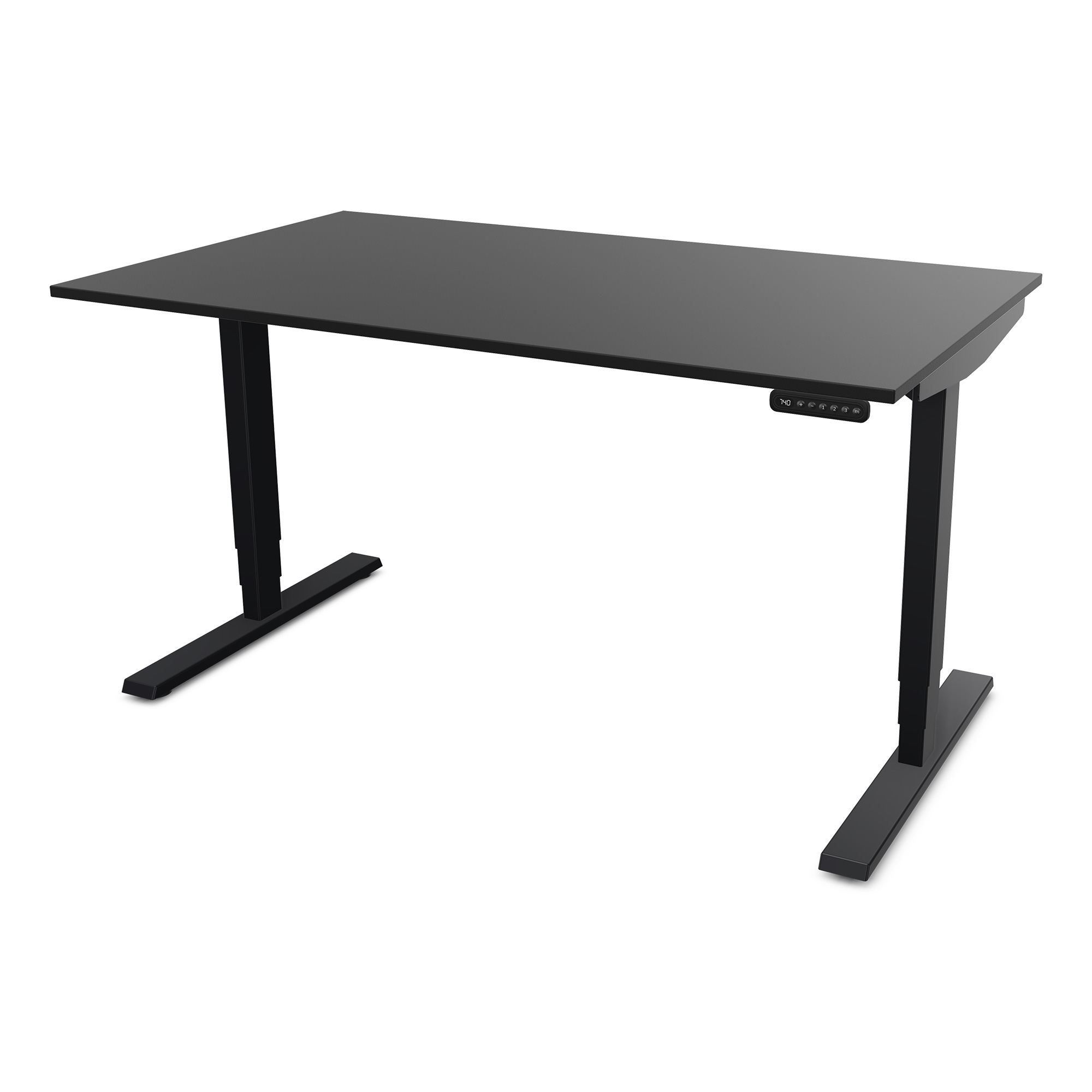
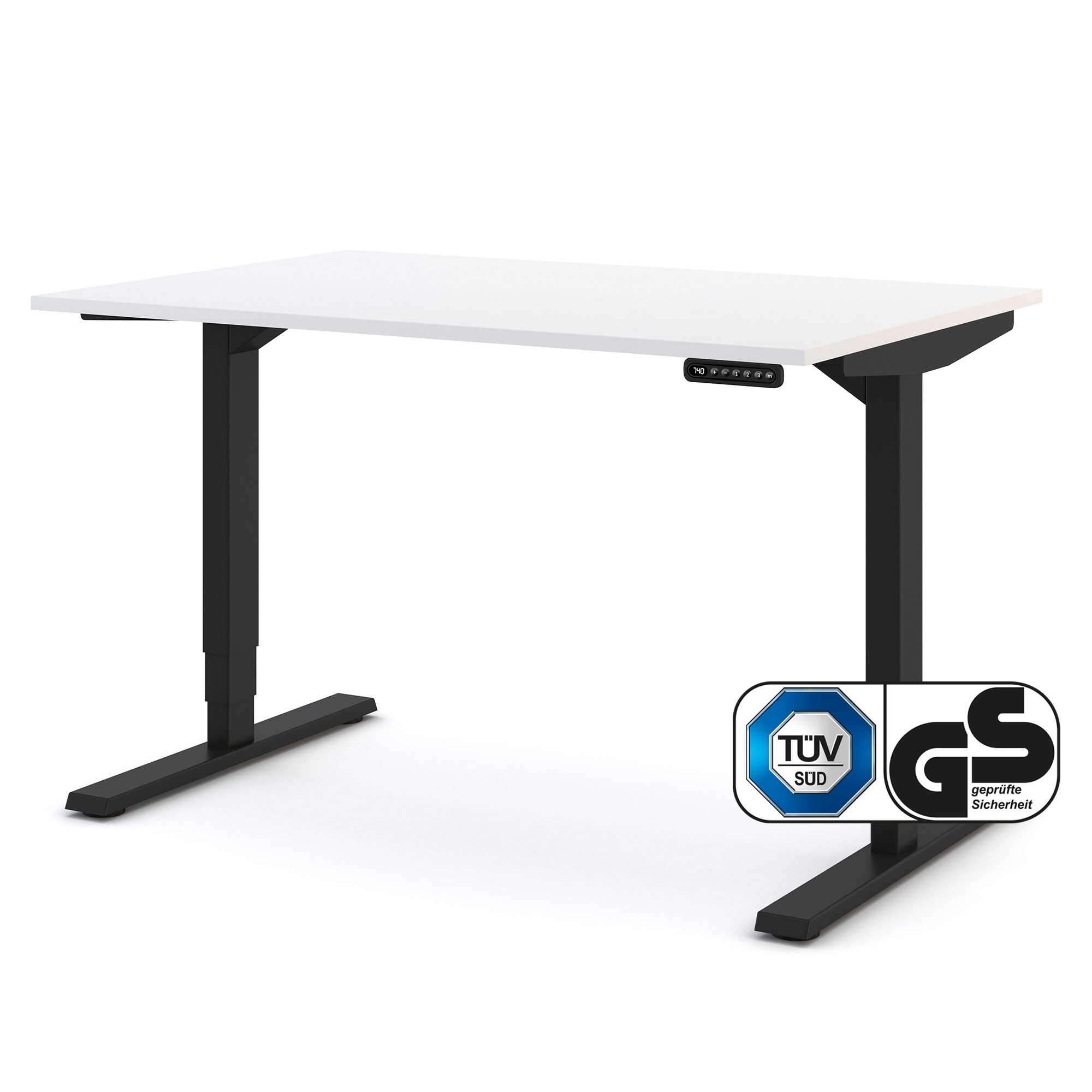
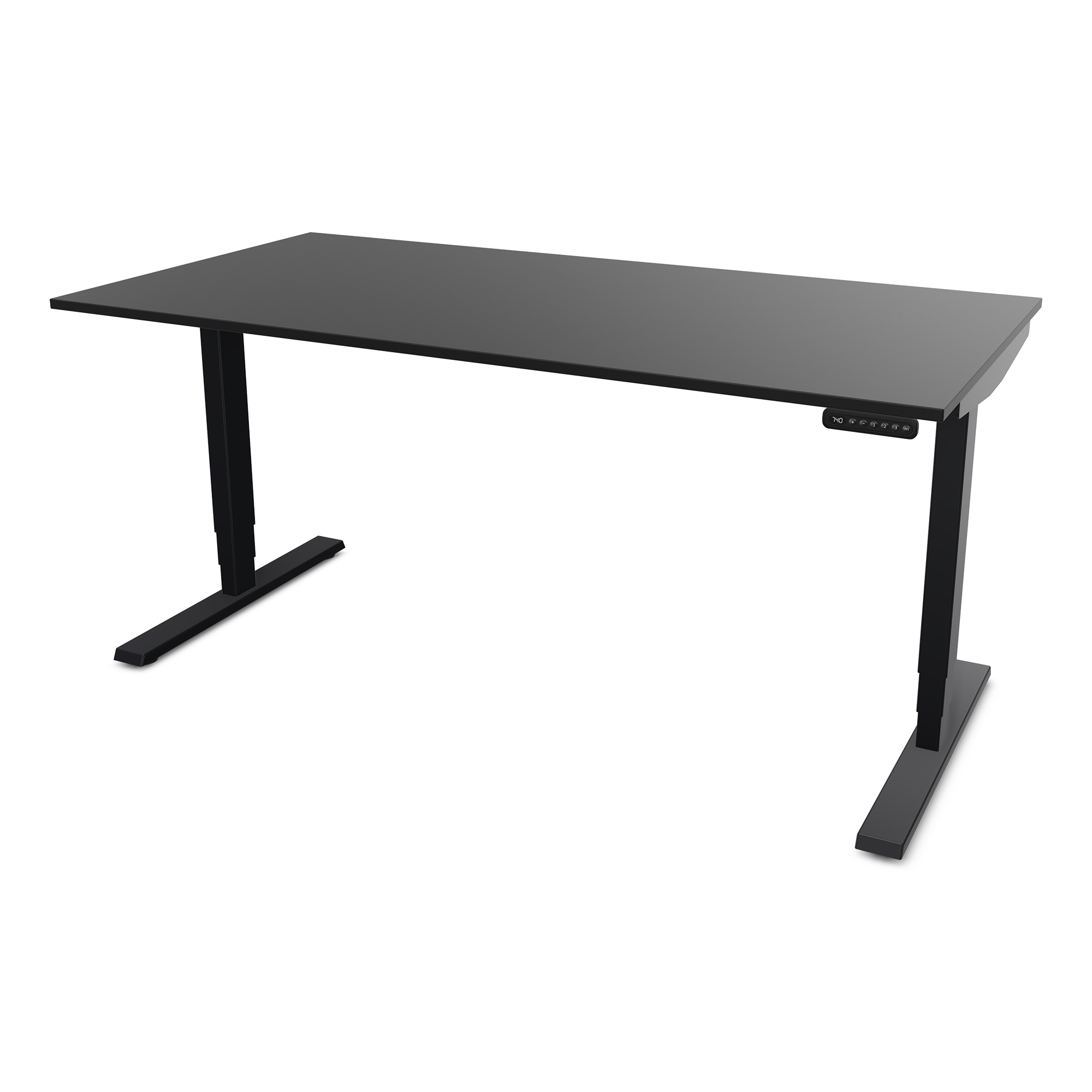
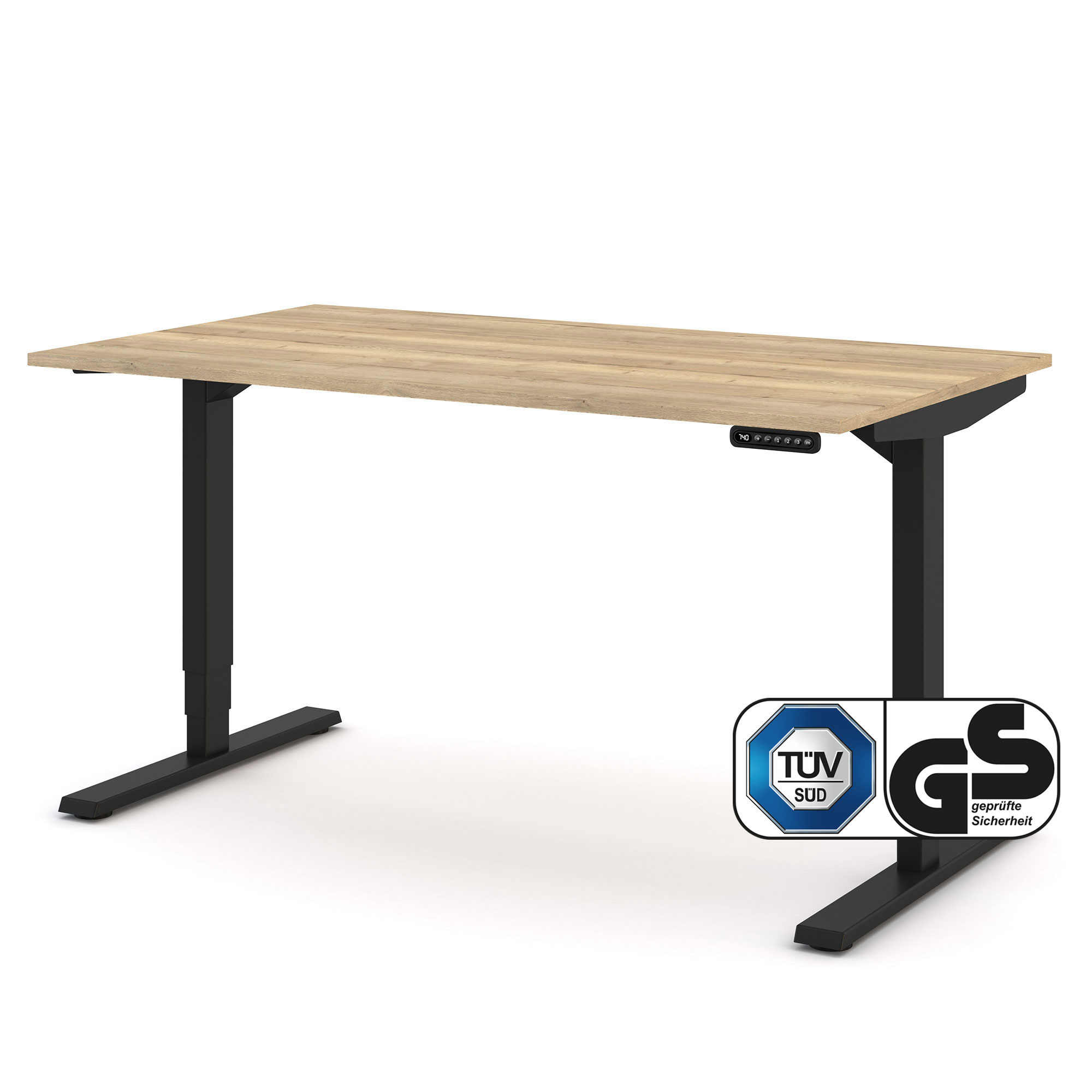
This is where typing, writing, and clicking happen - an adjustable-height desk is the centerpiece of your home office. With this desk, you can work ergonomically both standing and sitting, making the most of your workday. In this article, you'll learn how to properly adjust your desk and find the right desk height for standing and sitting tasks.
Why is an ergonomic desk important for you in your home office?
Ergonomics is a distinct field of science that deals with how you can work optimally at your workstation - and which work tools can best support you. This includes an adjustable-height desk, which offers several advantages, including:
- You prevent back pain, neck pain, and tension.
- You improve your posture.
- You can prevent heart diseases.
- You protect your muscles and joints.
- You enhance your productivity, motivation, and concentration.
- You introduce movement and variety into your daily life.

The Right Desk Height & Posture While Sitting:
Sit on your office chair and push it as close to the desk surface as possible.
The armrests of your desk chair and the desk surface should be at the same height.
Adopt an upright sitting posture and then place your forearms on the armrests. Your upper and lower arms should form a 90-degree angle, and your upper and lower legs should also form a right angle. Adjust your sitting position accordingly.
If your office chair doesn't have armrests, place your arms on the desk surface. Make sure that your head and neck are also in the correct position.

Sitzposition am Schreibtisch und Gesundheit
Häufige Fehler bei der Sitzhaltung
- Nach vorne gebeugtes Sitzen.
- Hängende Schultern.
- Abgeknickte Handgelenke bei der Arbeit mit Maus und Tastatur.
Auswirkungen schlechter Sitzhaltung
Langfristige Fehlhaltungen können zu chronischen Rückenschmerzen, Bandscheibenvorfällen und Verspannungen führen. Kopfschmerzen und Konzentrationsprobleme sind ebenfalls häufige Folgen.
Tipps zur Entlastung des Rückens
- Regelmäßige Pausen einlegen und dich bewegen.
- Dehnübungen für den Rücken und die Schultern.
- Abwechslung zwischen Sitzen und Stehen schaffen, z. B. mit einem höhenverstellbaren Schreibtisch.

The Right Desk Height & Posture While Standing:
Stand in front of your height-adjustable desk and place your feet shoulder-width apart.
Make sure you distribute your body weight evenly on both legs.
Then, adopt an upright and comfortable posture. During this process, ensure that your back doesn't arch or round.
Your head and neck posture are also important: Imagine a string at the top of your head gently pulling you upward. Straighten your neck and keep your head level. Finally, lower your chin slightly.
Once you've found the right standing posture, you can adjust the appropriate desk height for your body. To do this, rest your forearms on the desk surface. Your upper and lower arms should form a 90-degree angle.









Stehpult als platzsparende Alternative
Wenn du wenig Platz für einen höhenverstellbaren Schreibtisch hast, kann ein Stehpult eine sinnvolle Alternative sein. Stehpulte sind kompakt, leicht und können flexibel in kleinen Arbeitsbereichen genutzt werden. Du kannst sie auf bestehenden Möbeln platzieren, um eine ergonomische Stehposition zu erreichen. Achte darauf, dass auch hier die Tischhöhe so eingestellt ist, dass deine Unterarme in einem 90-Grad-Winkel aufliegen und dein Bildschirm auf Augenhöhe positioniert ist. Ein höhenverstellbares Stehpult bietet zusätzliche Flexibilität und ermöglicht es dir, zwischen Sitzen und Stehen zu wechseln. Stehpult-Schreibtische sind ideal für Homeoffice-Nutzer mit begrenztem Platzangebot.
Zusammenfassung und häufige Fragen
Wesentliche Tipps für die richtige Sitzposition und Schreibtisch-Einstellung
- Halte deine Füße flach auf dem Boden.
- Achte auf eine aufrechte Sitzhaltung.
- Stelle den Tisch auf die richtige Höhe ein, sodass deine Arme einen 90-Grad-Winkel bilden.
- Nutze einen höhenverstellbaren Schreibtisch und wechsle zwischen Sitzen und Stehen.
- Richte deinen Arbeitsplatz ergonomisch ein, besonders im Homeoffice.
FAQ: Häufige Fragen und Antworten
- Wie oft sollte ich meine Sitzposition ändern? Alle 30-60 Minuten, um Verspannungen zu vermeiden.
- Was tun, wenn der Schreibtisch nicht höhenverstellbar ist? Nutze eine Fußstütze oder ergonomische Hilfsmittel.
- Welche Stuhlart ist am besten geeignet? Ein ergonomischer Bürostuhl mit verstellbarer Lehne und Sitzhöhe.
- Wie erkenne ich, ob mein Arbeitsplatz richtig eingestellt ist? Wenn du längere Zeit ohne Beschwerden arbeiten kannst.
Mit diesen Tipps schaffst du eine ergonomische Arbeitsumgebung, die deiner Gesundheit zugutekommt und deine Produktivität steigert, egal ob im Büro oder im Homeoffice.
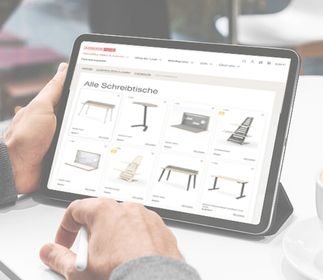
Find the Right Desk
In this blog post, we share tips on how to organize your desk.
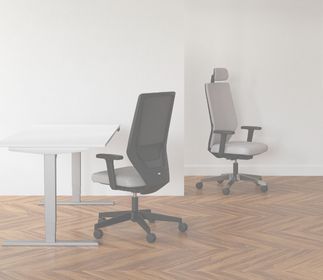
Properly Adjust Your Office Chair
We show you how to adjust your office chair individually and correctly.
Properly Illuminate Your Desk
Five questions to help you find the right workplace lighting.